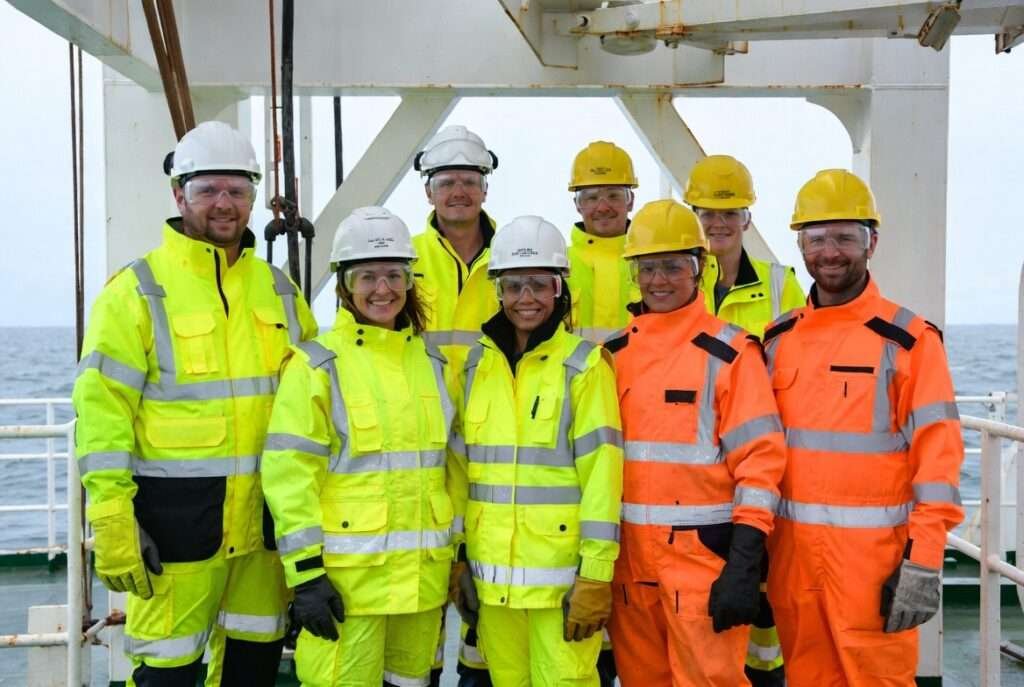
In today’s diverse workforce, one-size-fits-all personal protective equipment (PPE) is no longer enough. More women and people from ethnic minorities are entering traditionally male-dominated industries such as construction, manufacturing, engineering, and healthcare. Yet for too long, standard PPE has been designed primarily around average male body shapes — leaving many workers with ill-fitting gear that compromises both safety and comfort.
This is changing fast. Employers, unions, and standards bodies are recognising that truly effective PPE must fit everyone. At the heart of this shift is the brand-new BS 30417:2025 British Standard — the first UK guidance specifically dedicated to the provision of inclusive personal protective equipment.
Why the Demand for Inclusive PPE is Growing
Several factors are driving the surge:
- Workforce diversity: Women now make up around 30% of the UK manufacturing workforce and increasing numbers in construction and utilities. Ethnic minority representation is also rising.
- Evidence of harm: Surveys consistently show that 60–70% of women report ill-fitting PPE that hinders movement, causes discomfort, or even increases injury risk (e.g., loose helmets, vests that ride up, or gloves that slip).
- Legal and ethical pressure: The Health and Safety at Work Act already requires PPE to “fit the wearer correctly.” Growing awareness of protected characteristics under the Equality Act 2010 has made inclusive provision a clear duty.
- Business benefits: Companies that invest in proper-fitting PPE see better compliance, fewer accidents, and improved staff retention — especially among women and minority groups who often feel overlooked.
What is BS 30417:2025?
Published by the British Standards Institution (BSI) in late 2025 (and available to download free of charge), BS 30417:2025 Provision of inclusive personal protective equipment (PPE) – Guide is a practical, non-mandatory guidance document.
It is not a product certification standard (you cannot “CE-mark” a vest to BS 30417). Instead, it provides clear, actionable advice for everyone involved in the PPE supply chain — from procurers and employers to suppliers and end-users.
Key areas covered include:
- Selecting PPE that accommodates different body shapes, genders, sizes, ages, ethnicities, and disabilities.
- Inclusive procurement practices (e.g., evaluating suppliers on their ability to offer wider size ranges and adjustable designs).
- Maintenance, inspection, and replacement of inclusive PPE.
- Cultural and religious considerations (e.g., compatible head coverings or modest clothing options).
- Training and communication so workers feel confident requesting better-fitting gear.
The standard puts the “personal” back into personal protective equipment.
Who Developed It? The Main Protagonists
- British Standards Institution (BSI) — the lead body that published the standard under committee PH/23 (Horizontal Topics for PPE).
- Trade unions, particularly the GMB, which has run the long-standing “PPE Fit for All” campaign and strongly advocated for the standard.
- Industry experts, manufacturers, and worker representatives who contributed real-world feedback during development.
- Campaigners and safety organisations (including IOSH, British Safety Council, and groups like Protection for Everyone) that highlighted the “fit gap” through research and lobbying.
The standard was developed collaboratively over several years, building on earlier white papers and growing evidence from the field.
How Manufacturers and Suppliers Are Responding
Forward-thinking companies are already adapting:
- Offering wider size ranges and women-specific cuts (e.g., shorter jackets, contoured vests, smaller harnesses).
- Introducing adjustable and modular designs (extra straps, extenders, or mix-and-match components).
- Expanding colour and style options to suit cultural preferences.
- Working directly with employers on fit-testing programmes and inclusive procurement frameworks.
Many suppliers now market their ranges explicitly as “inclusive” or “diverse workforce ready,” and larger contractors are beginning to require BS 30417-aligned practices in tenders.
Real Benefits for the Workforce
When PPE fits properly, the advantages go far beyond compliance:
- Safety: Reduced risk of slippage, restricted movement, or exposure — fewer accidents and near-misses.
- Health: Less skin irritation, pressure sores, musculoskeletal strain, and fatigue from constantly adjusting ill-fitting gear.
- Comfort & Wellbeing: Workers are more likely to wear PPE all day without discomfort, improving morale and concentration.
- Loyalty & Retention: Women and minority employees report feeling genuinely valued when employers invest in proper fit. This boosts engagement, reduces turnover, and strengthens diversity goals.
- Productivity: Comfortable, confident workers perform better and take fewer sick days.
In short, inclusive PPE isn’t just about fairness — it’s smart business and better safety for everyone.
Looking Ahead
BS 30417:2025 marks a significant step forward. While it remains guidance rather than law, momentum is building. A 2026 Ten Minute Rule Bill has already called for embedding the standard into public-sector procurement, and many private organisations are adopting it voluntarily.
For employers, the message is clear: providing PPE that truly fits is no longer optional — it’s part of creating safer, more inclusive, and more productive workplaces.
This article explores the growing importance of inclusive PPE in line with BS 30417:2025.
The premium domain ppe.fit is available for companies that want to own the leading online identity for this important topic.